Hot Pilates: The Complete First-Timer Survival Guide, Start to Finish
Quick Answer: Hot Pilates classes run at roughly 85-95°F, so hydrate well before class (not just during), wear moisture-wicking fabric instead of cotton, and expect your first 1-2 classes to feel significantly harder than a regular Pilates session — that gap closes fast with heat acclimation.
Walking into your first hot Pilates class without knowing what the heat actually does to a Pilates workout is how most people end up surprised, dizzy, or discouraged by class two. Here’s the complete picture.
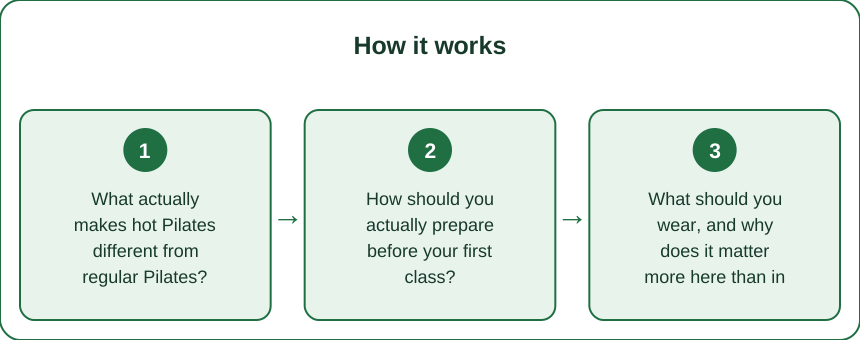
What actually makes hot Pilates different from regular Pilates?
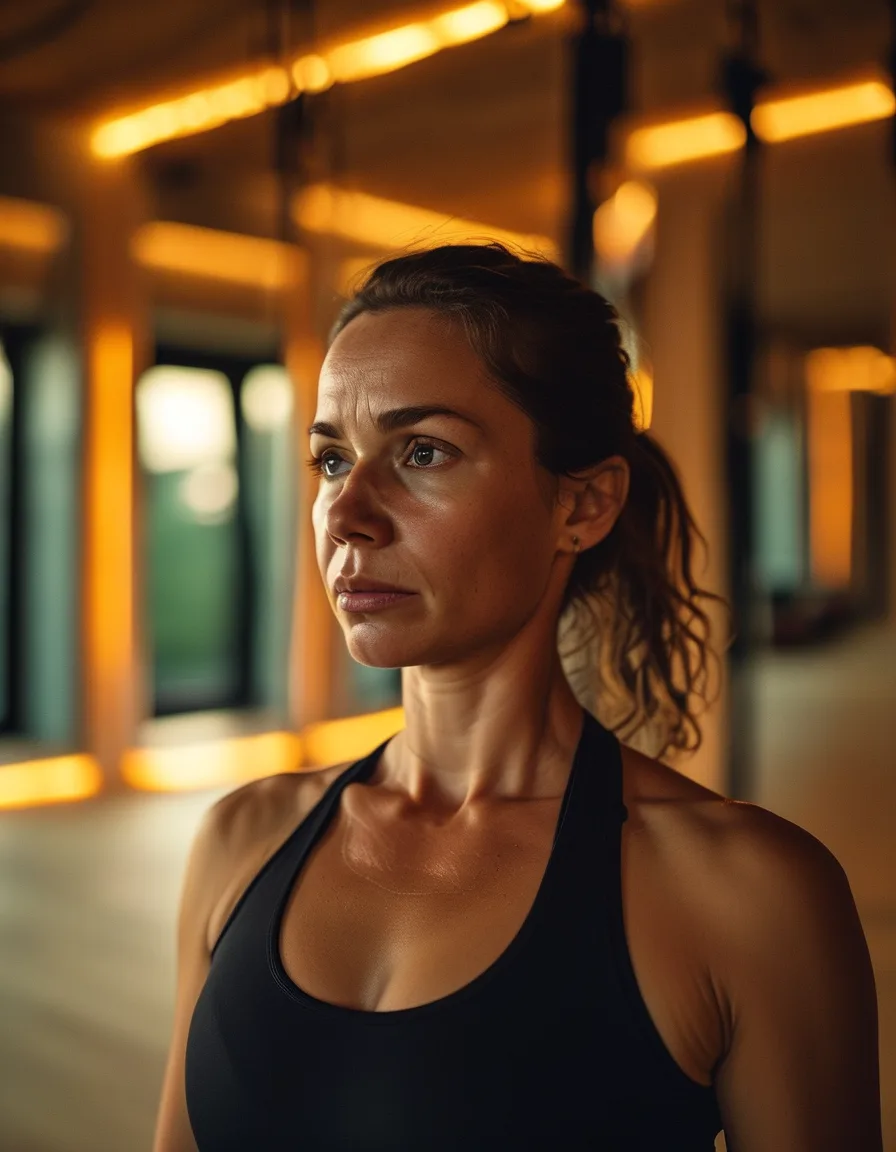
The room is heated to roughly 85-95°F, which raises your heart rate and sweat output well beyond what the same exercises would produce at room temperature. This means moves that felt moderate in a regular studio can feel considerably more intense here — it’s not that the exercises changed, it’s that your body is working harder to regulate temperature on top of the movement itself.
How should you actually prepare before your first class?
Hydrate for the 24 hours before class, not just the hour before. Showing up already well-hydrated matters more than chugging water 10 minutes beforehand, since your body needs time to actually absorb and distribute fluids.
Eat a light meal 1-2 hours before rather than going in empty, and skip alcohol and excess caffeine the day of class — both increase dehydration risk in a heated room.
What should you wear, and why does it matter more here than in a normal studio?
Moisture-wicking synthetic fabric, not cotton — cotton absorbs sweat and becomes heavy and clingy in a heated room, which can be distracting and uncomfortable mid-class. A supportive, well-fitted top matters too, since heat plus movement means more visible sweat and slipping fabric than a regular studio session.
What should you genuinely expect during the class itself?
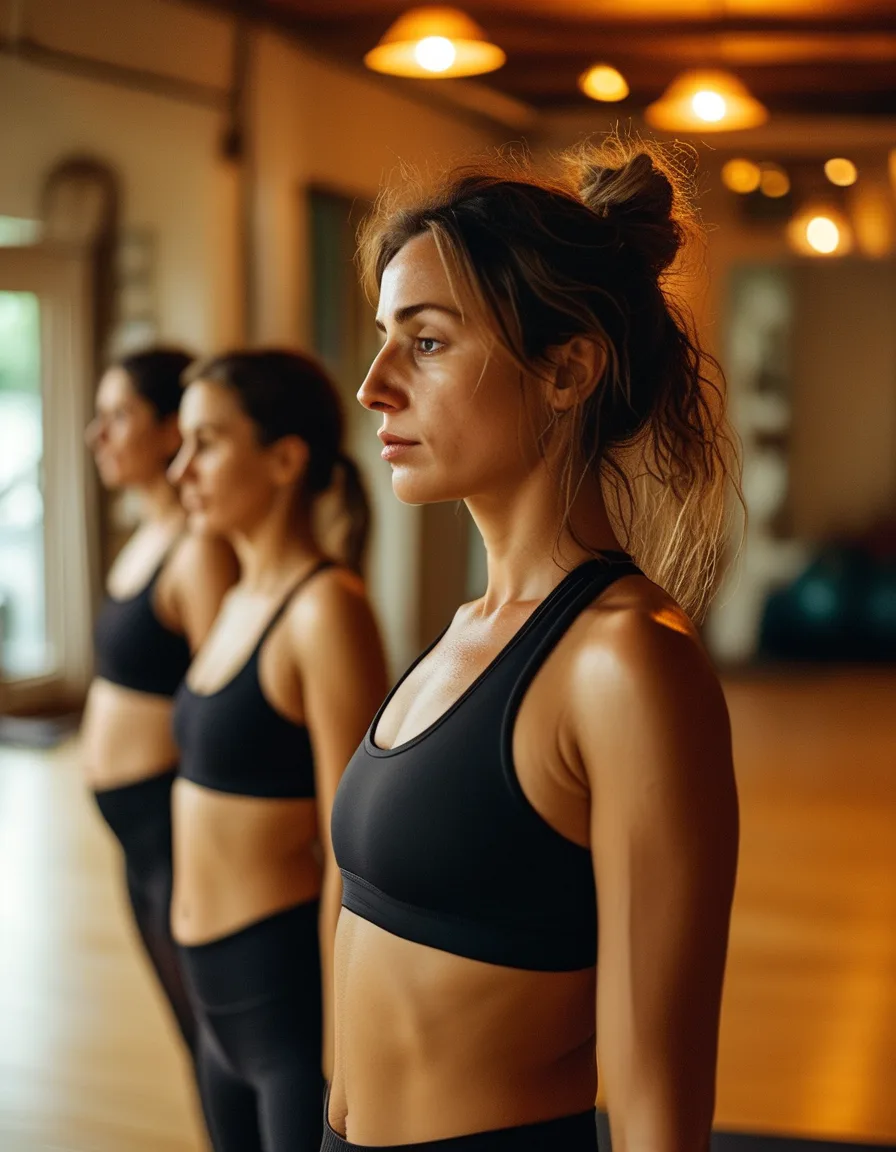
Expect to sweat significantly more than in a regular Pilates class, and expect your heart rate to climb higher for the same exercises. It’s normal for the first 10-15 minutes to feel like an adjustment period as your body acclimates to the room temperature — most people find their rhythm improves noticeably by the second half of class.
5 Mistakes First-Timers Make in Hot Pilates
1. Skimming water intake the day before, then trying to catch up during class.
2. Wearing cotton instead of moisture-wicking fabric.
3. Pushing through dizziness instead of pausing — sitting or lying down briefly is completely normal and expected.
4. Comparing their first class directly to a regular-temperature Pilates session — the difficulty gap is expected and temporary.
5. Skipping the cooldown and rushing straight into a cold environment, which can cause a rapid, uncomfortable drop in body temperature.
When should you actually stop or sit out during a hot Pilates class?
Dizziness, nausea, or a pounding headache are signals to stop, not push through — sitting or lying down until symptoms pass is exactly what instructors expect and want from students in a heated room. If you have heart conditions, are pregnant, or are prone to heat sensitivity, check with a doctor before starting hot Pilates specifically — the heat adds a real physiological demand beyond standard Pilates.
FAQ: Hot Pilates for Beginners, Answered
How many classes before it starts feeling manageable?
Most people report a noticeable improvement by class 3-4, as heat acclimation genuinely reduces the physiological strain over repeated exposure.
Is hot Pilates safe for everyone?
No — people with heart conditions, certain blood pressure issues, or who are pregnant should check with a doctor first, since the heat component adds cardiovascular demand beyond standard Pilates.
Should I eat right before a hot Pilates class?
No — eat a light meal 1-2 hours beforehand rather than immediately before class, since a full stomach combined with heat and movement can cause discomfort.
TL;DR:
- Rooms run 85-95°F — hydrate the full day before, not just beforehand
- Wear moisture-wicking fabric, not cotton, and expect more sweat and higher heart rate
- The first class is genuinely harder than a regular Pilates session — this gap closes by class 3-4
- Stop for dizziness or nausea; check with a doctor first if you have heart conditions or are pregnant
This is general information, not medical advice — the heat is the whole point, but respecting it properly is what makes hot Pilates sustainable rather than miserable.
See It in Motion
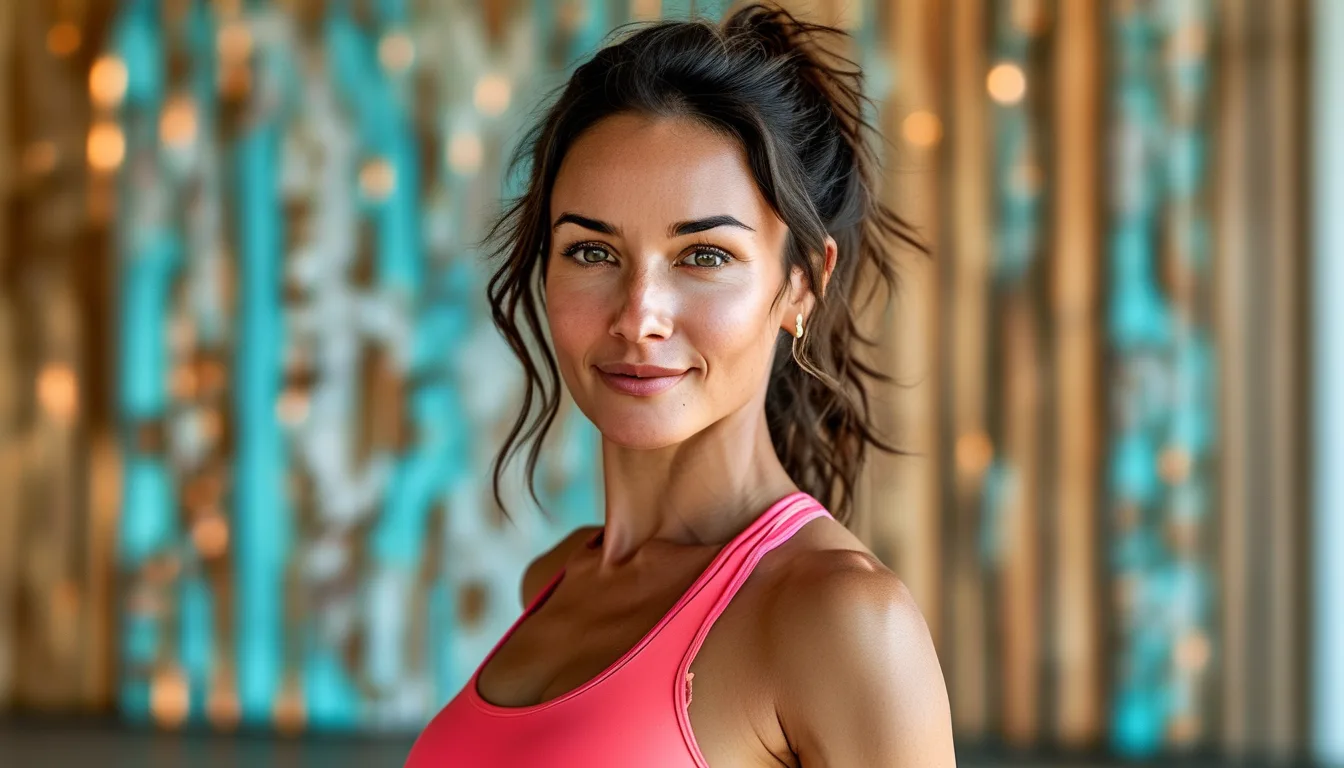
Seen here: UPF 50+ Racerback Yoga Tank Top — shop it on bubblelime.com
Keep Reading
This article is for general informational and styling purposes only. Fit, sizing, and product availability may vary.