Hot Pilates vs Regular Pilates: Which Room Serves Your Goals
The pilates decision now includes a thermostat — the classical cool room versus the heated sculpt format — and they’re more different than the shared name suggests: precision-first versus intensity-first. The comparison guide: what the heat actually changes and which room serves which goal.

The Heat Variable Isolated
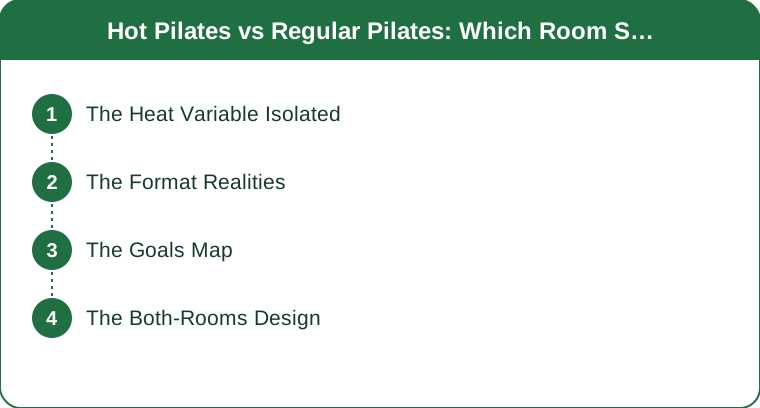
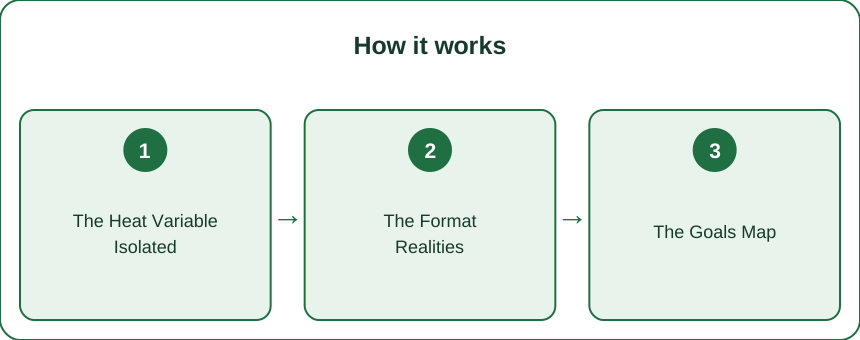
What temperature changes: the intensity effect (heat elevates heart rate at any workload — the hot class delivers a cardio layer the cool room doesn’t; the effort-perception rising with the thermostat), the precision effect (heat trades focus — the classical pilates attention-to-detail competes with heat management; the cool room hears the instructor’s cues better), the flexibility sensation (warm tissue moves further-feeling — with the hot-yoga chapter’s masking caution; the heat can hide the edge that hypermobile and injury-managing bodies need to feel), and the sweat-and-format note (the hot room’s puddle economy versus the cool room’s controlled burn — the same exercise, two experiences).
The Format Realities
What each room actually teaches: the classical-and-contemporary cool rooms (the precision curriculum — the breath-and-control fundamentals, the C-curve and alignment vocabulary from the barre-and-core chapters; the rehab-adjacent tier where pilates’ physio reputation lives), the hot-pilates rooms (the sculpt-format reality from the hot-pilates chapter — the high-rep strength-endurance with heat’s cardio multiplier; the fitness-class DNA), the instructor-training note (the cool-room classical certifications run deep; the hot formats vary by studio — the teacher-background question worth asking either room), and the misnomer honesty (some hot classes are pilates-inspired conditioning — excellent AND differently labeled; knowing what you’re buying prevents the mismatch disappointment).

The Goals Map
Room by objective: the precision-and-foundation goal (the cool room first — the fundamentals learned where cues land; the beginner’s six months belonging to the classical tier), the core-rehab and postpartum tier (the cool room emphatically — the pressure-management and alignment work from the pregnancy-core chapters wanting full attention and no heat stress), the sweat-and-intensity goal (the hot room’s home game — the cardio-plus-burn session for the conditioned), the heat-tolerance and hot-yoga-adjacent goal (the hot room as the adaptation practice from the heat chapters), and the injury-managing and hypermobile populations (the cool room’s feedback-rich environment — the heat-masking caution at its most relevant).
The Both-Rooms Design
The combined practice: the sequence wisdom (fundamentals in the cool room BEFORE the hot format — the precision that makes the heated reps productive; the hot-first path builds intensity on unexamined form), the weekly mix (the cool session for technique-and-depth, the hot session for conditioning — the two rooms as complementary tools; the studio memberships increasingly covering both), the season note (the hot room’s summer appeal drops and winter appeal rises — the practice that migrates with the thermostat is fine), the body-signal governance (the heat-day fatigue honesty from the hot-yoga survival guide — the hot room on the depleted day downgrades to the cool one; the room chosen by the day’s actual capacity), and the verdict frame (neither room is more legitimate — precision and intensity are both real goods; the goal picks the thermostat, and the informed practitioner uses both). Cool for craft, hot for conditioning: the rooms, assigned.
Heat adds cardio and costs precision, learn fundamentals cool, condition hot, injuries and bendy bodies stay cool. The pilates thermostat is a goals question — both rooms earn their place.
See It in Motion
Seen here: High Waist Yoga Leggings with Inner Pocket — shop it on bubblelime.com
Keep Reading
This article is for general informational and styling purposes only. Fit, sizing, and product availability may vary.