The Complete First-Timer's Guide to Surviving (and Actually Enjoying) Your First Hot Pilates Class
Quick Answer: Hot Pilates is typically done in a room heated to 90-105°F, combining traditional Pilates’ controlled, precise movements with the added physiological demand of heat. First-timers should hydrate heavily for 24 hours beforehand, arrive early to acclimate to the room, and expect the first class to feel considerably harder than a regular Pilates or yoga session — that’s normal, not a sign you’re unfit for it.
Hot Pilates sounds like a simple combination — Pilates, but warmer — but the actual experience catches nearly every first-timer off guard in the same handful of predictable ways. This guide walks through what’s actually different and how to prepare so your first class doesn’t become your last.
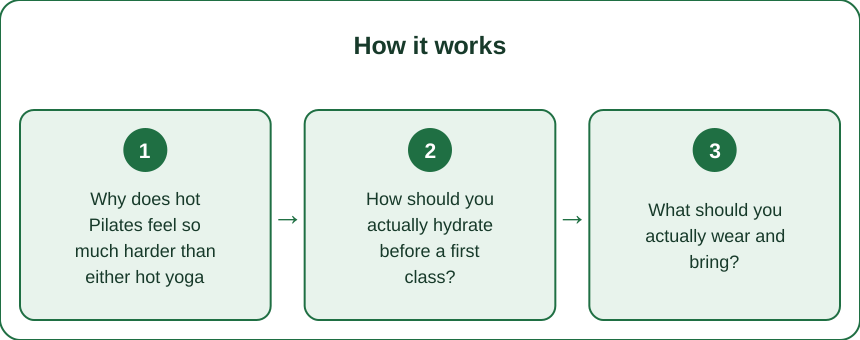
Why does hot Pilates feel so much harder than either hot yoga or regular Pilates alone?
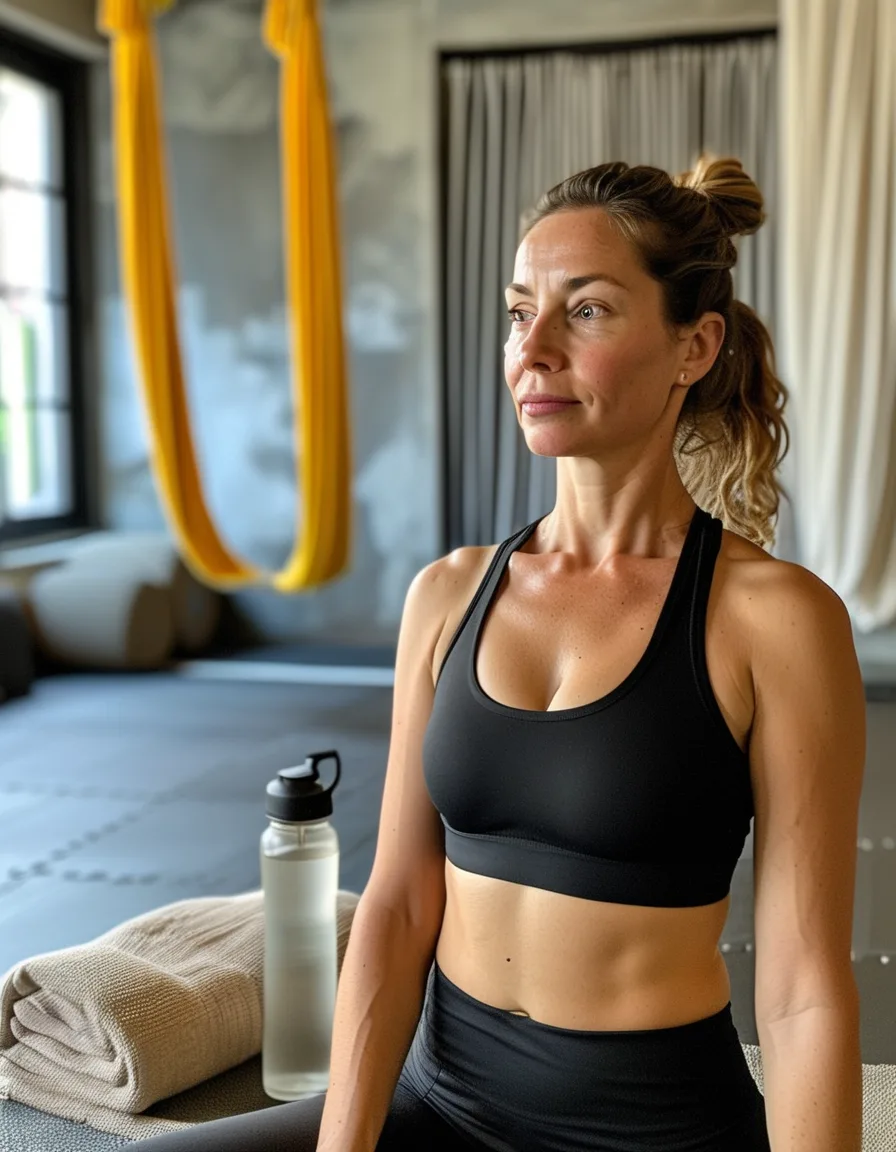
Traditional Pilates already demands precise, controlled, often isolated muscle engagement — quite different from yoga’s broader flowing movements. Adding heat on top of that precision work means your body is managing cardiovascular strain from the heat while simultaneously trying to execute fine motor control in specific muscle groups, a combination that’s more demanding than either element alone.
Many first-timers expect something similar to hot yoga and are surprised by how much more targeted muscle fatigue (not just general sweat and cardio strain) shows up, particularly in the core and stabilizer muscles Pilates specifically targets.
How should you actually hydrate before a first class?
Start hydrating a full 24 hours in advance, not just chugging water right before class. Same-day-only hydration doesn’t give your body time to actually reach a well-hydrated baseline, and walking into a 95-100°F room already behind on fluids significantly increases dizziness and cramping risk.
Adding electrolytes, not just plain water, matters more for hot Pilates than for a typical workout — you’ll sweat out sodium and other minerals at a rate a regular room-temperature Pilates class simply doesn’t demand.
What should you actually wear and bring?
Moisture-wicking, fitted (not loose) clothing works best — loose clothing gets heavy and clingy with sweat quickly, and fitted layers let instructors see your form for corrections, which matters even more in Pilates than many other formats given its precision focus.
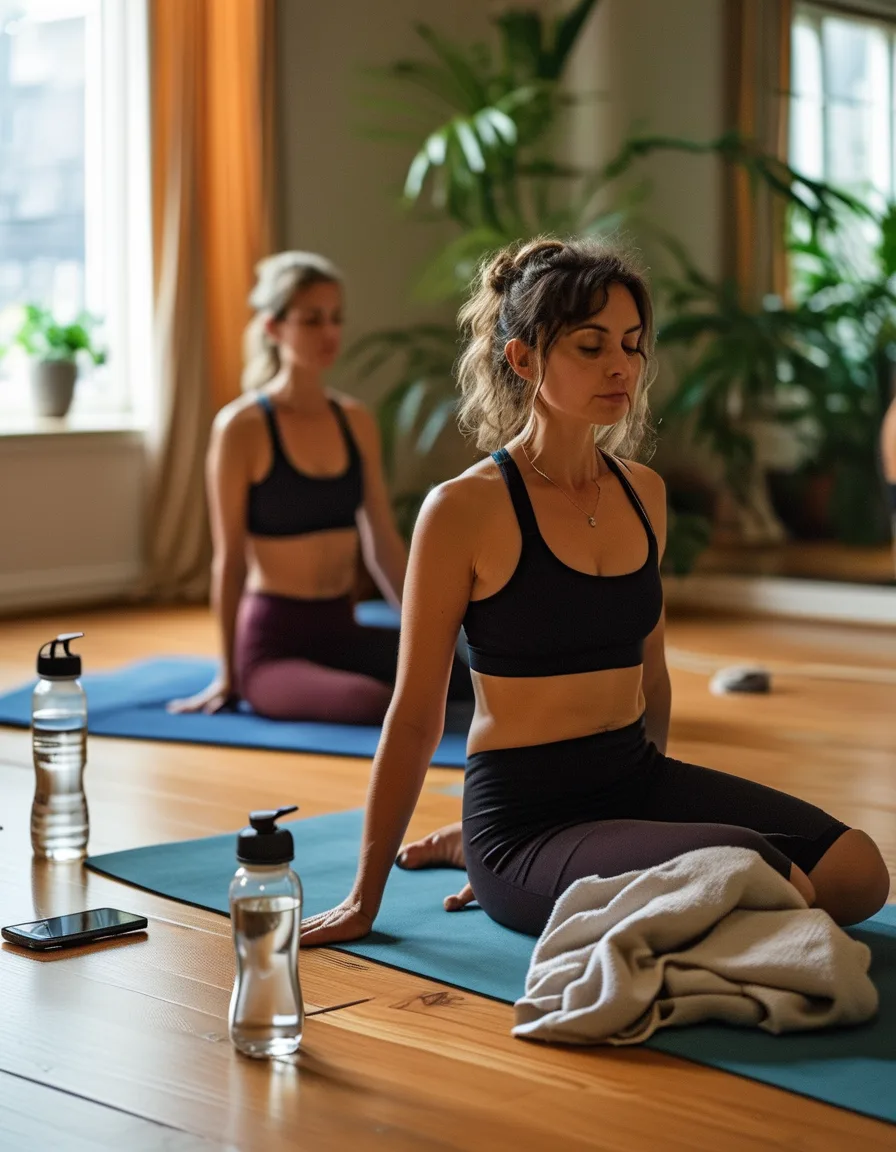
Bring a full water bottle, a small towel for your mat, and a second towel for yourself — hot Pilates studios go through towels fast, and being under-prepared here is one of the most common first-timer regrets.
What Nobody Tells You About the First-Class Experience
Here’s what most hot Pilates studios don’t emphasize enough beforehand: it’s completely normal, and expected, to need modifications or breaks in your very first class — this isn’t a sign the format isn’t for you. The heat alone requires an adjustment period independent of your actual fitness level; even experienced traditional Pilates practitioners often report their first hot class feeling unexpectedly difficult.
Many studios also don’t clearly explain that dizziness, if it happens, is a sit-down-immediately signal, not something to push through — new practitioners sometimes assume powering through lightheadedness is expected toughness, when it’s actually a real safety signal in a heated room.
What are the instructor cues that first-timers often misunderstand?
- ‘Find your neutral spine’ — this is a precise pelvic and lower back positioning cue, not a general posture reminder; ask for a physical correction if you’re unsure you’ve found it
- ‘Scoop your abs’ — refers to drawing the lower abdominal wall in and up, distinct from simply tensing your whole core, and is central to most Pilates movements working correctly
- ‘Breathe into your ribs’ — Pilates breathing technique differs from typical deep belly breathing; it emphasizes lateral rib expansion, which feels unfamiliar to yoga or general fitness backgrounds
- A cue to modify or come to child’s pose — take this at face value immediately in a heated room, rather than treating it as optional the way it might be in a cooler studio
What does a realistic timeline for adjusting to hot Pilates look like?
Most people find the first 2-3 classes are the hardest, both from heat acclimation and from the format’s precision demands feeling unfamiliar. By class 4-5, heat tolerance improves noticeably as your body’s sweat response adapts, and the Pilates-specific movement cues start feeling more automatic rather than requiring conscious translation each time.
Regular attendees (2x weekly or more) typically report the format feeling genuinely comfortable — not easy, but manageable without the first-class disorientation — within about a month of consistent practice.
FAQ: First Hot Pilates Class Questions, Answered
Is it normal to feel nauseous or dizzy during your first class?
Mild lightheadedness can happen as your body adjusts, but genuine nausea or dizziness means sit down or step out immediately — don’t push through it, and mention it to the instructor if it continues.
Should you eat before a hot Pilates class?
A light snack 60-90 minutes before is generally better than going in empty, since low blood sugar combined with heat stress increases dizziness risk — avoid a heavy meal right before, though.
How is calorie burn different between hot Pilates and regular Pilates?
Hot Pilates typically burns modestly more calories due to the added cardiovascular demand of heat regulation, though the difference is generally smaller than people expect compared to the muscle-toning benefit, which is similar between hot and regular versions.
TL;DR:
- Hot Pilates combines heat’s cardiovascular demand with Pilates’ precision, which is why it feels harder than either alone
- Hydrate with electrolytes starting 24 hours before, not just right before class
- Modifications and breaks in your first class are completely normal, not a sign the format isn’t for you
- Dizziness is a sit-down-now signal; most people adjust to the heat and cues by class 4-5
See It in Motion
Seen here: High Waist Yoga Leggings with Side Pockets — shop it on bubblelime.com
Keep Reading
This article is for general informational and styling purposes only. Fit, sizing, and product availability may vary.